Force Motors - USG Automobiles Pvt Ltd - Articles
How to Select the Right School Bus for Safety and Comfort
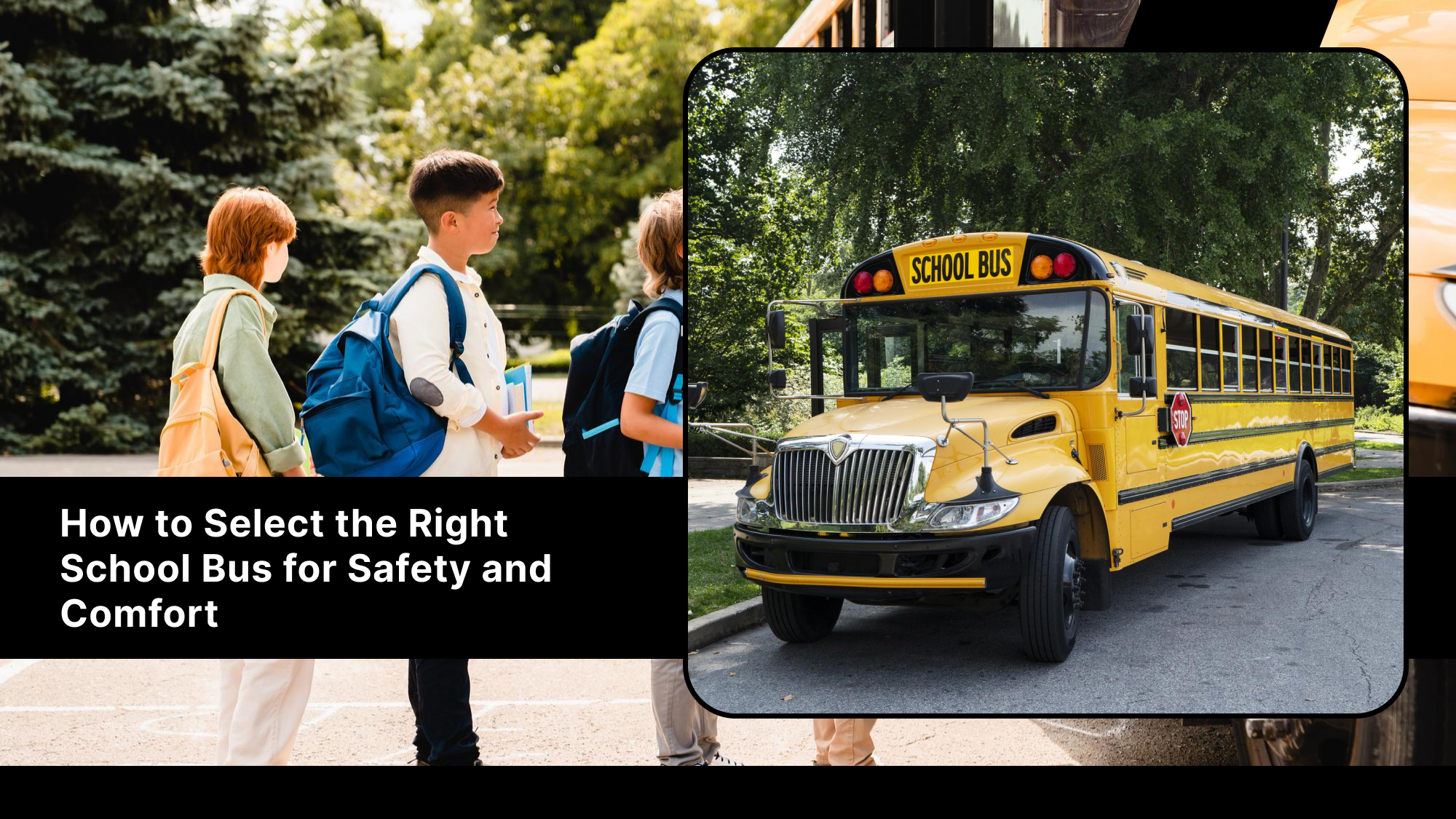
Choosing the right school bus is one of the most important decisions for any educational institution. The safety and comfort of students, along with reliable daily performance, depend heavily on selecting a bus that meets the right standards. From safety features to comfort, engine performance to long-term maintenance, every factor plays a critical role. Here is a detailed guide to help you choose the perfect school bus that ensures secure and comfortable travel for students.
1. Prioritize Strong Safety Features
Safety is the number one priority when selecting a school bus, and the bus you choose must include essential safety features designed to protect students. Look for elements like seat belts, anti-lock braking systems, strong side panels, fire extinguishers, a first-aid kit, and designated emergency exits. These features help minimize accident impact and ensure that the bus is prepared for any emergency situation. A robust build quality and reinforced body structure also contribute significantly to student safety on every ride.
2. Select the Correct Seating Capacity
Choosing the right seating capacity ensures comfort, avoids overcrowding, and improves safety. A smaller school or shorter local routes may work well with compact buses like 9+D or 12+D models, while medium-sized schools or longer routes might need 17+D or 22+D capacity. For large institutions or routes with high student density, a 33+D or 41+D Monobus ensures all students travel comfortably. The goal is to ensure each student has enough space and that the bus is neither overfilled nor underutilized.
3. Look for Comfortable Seating and Interiors
Comfortable seating plays a major role in the daily travel experience of students. Look for buses with well-cushioned seats, proper back support, safe armrests, and enough legroom for children of different ages. The interior layout should be spacious enough to allow easy movement and discourage congestion in the aisles. High-quality interiors not only provide comfort but also create a welcoming environment that reduces fatigue and helps students arrive at school fresh and ready.
4. Check Ventilation and Air-Conditioning
Proper ventilation keeps the bus environment fresh, prevents odors, and ensures adequate airflow throughout the journey. Large windows, roof ventilators, and well-positioned vents improve air circulation. In cities with hot or humid climates, an air-conditioned school bus can make a major difference in student comfort. A bus that maintains a balanced temperature helps prevent heat-related discomfort, keeps younger children calm, and ensures a peaceful travel experience.
5. Evaluate Engine Strength and Performance
A good school bus must have a strong, dependable engine capable of handling frequent stops, varied traffic conditions, and heavy passenger loads. Look for buses that offer engineered performance designed for commercial use, with smooth acceleration, stable braking, and minimal vibration. A powerful engine ensures the bus can handle long routes and rough patches without strain, reducing the chances of breakdowns during school hours.
6. Consider Fuel Efficiency for Cost Savings
Fuel efficiency is a key factor for schools aiming to reduce long-term operational costs. A bus that consumes less fuel while maintaining good performance helps institutions save significantly over time. Modern commercial buses are designed with fuel-efficient technology that optimizes mileage without affecting driving comfort. Choosing a bus with good fuel efficiency allows schools to manage their annual transportation budget more effectively.
7. Inspect Build Quality and Durability
School buses undergo daily use, often across challenging terrains and varying weather conditions. A durable bus with a strong chassis, corrosion-resistant body, and reliable suspension system ensures longevity and stability. Good build quality reduces wear and tear, minimizes frequent repairs, and lowers long-term maintenance costs. A tough exterior combined with a well-built interior guarantees that the bus remains dependable for years.
8. Review Safety Compliance and Certifications
Every school bus must comply with mandatory transportation safety regulations. Confirm that the bus meets AIS-052 guidelines, has proper emergency exits, includes the mandatory school bus signage, and follows government norms for colors and markings. Compliance ensures the bus is legally approved for student transportation and assures parents that all safety standards are met. A compliant bus is safer, more reliable, and fully aligned with official school transportation rules.
9. Choose a Reliable Dealership with Strong Support
Buying a school bus from a trusted dealership ensures a smoother purchasing experience and reliable after-sales support. A professional dealer provides transparent pricing, necessary documentation, genuine spare parts, regular servicing, and timely maintenance. They also guide you in choosing the right model based on route conditions and passenger capacity. A reliable dealership becomes a long-term partner, ensuring your buses stay in top condition throughout their lifespan.
10. Consider Long-Term Maintenance Requirements
Maintenance determines how long your school bus stays safe and operational. Choose a model known for easy maintenance, readily available spare parts, and strong service network support. Regular servicing ensures smooth performance, reduces breakdowns, and increases safety for student travel. A bus that is maintenance-friendly ensures minimal downtime and uninterrupted school operations, which is essential for daily transportation reliability.
Frequently Asked Questions (FAQs)
1. What safety features should a school bus have?
A school bus should include seat belts, ABS, emergency exits, a fire extinguisher, a strong body frame, a first-aid kit, and clear school bus markings to ensure safe travel.
2. How do I choose the right size school bus?
Select the seating capacity based on the number of students, daily route length, and peak-time demand. Choose a size that prevents overcrowding while maintaining cost efficiency.
3. Are air-conditioned school buses necessary?
In hot or humid cities, AC buses help maintain student comfort, reduce heat-related issues, and provide a more controlled environment during travel.
4. How often should school buses be serviced?
Routine servicing is recommended every few thousand kilometers or as per the manufacturer’s schedule to keep the vehicle safe, reliable, and compliant.
5. Why is it important to buy from a trusted dealership?
A reliable dealer ensures genuine parts, expert service, transparent pricing, and strong after-sales support, which are essential for long-term vehicle performance.
Conclusion
Selecting the right school bus requires careful attention to safety, comfort, durability, and long-term reliability. By evaluating factors like seating capacity, ventilation, engine performance, build quality, and proper maintenance, schools can make informed decisions that protect students and support efficient transport operations. A safe and comfortable bus not only builds trust with parents but also ensures students begin and end their day with a positive travel experience.
Looking for the safest and most dependable school buses? Connect with USG Automobiles today and choose the right vehicle for your institution.