Force Motors - USG Automobiles Pvt Ltd - Articles
Essential Maintenance Tips for Commercial Vehicles
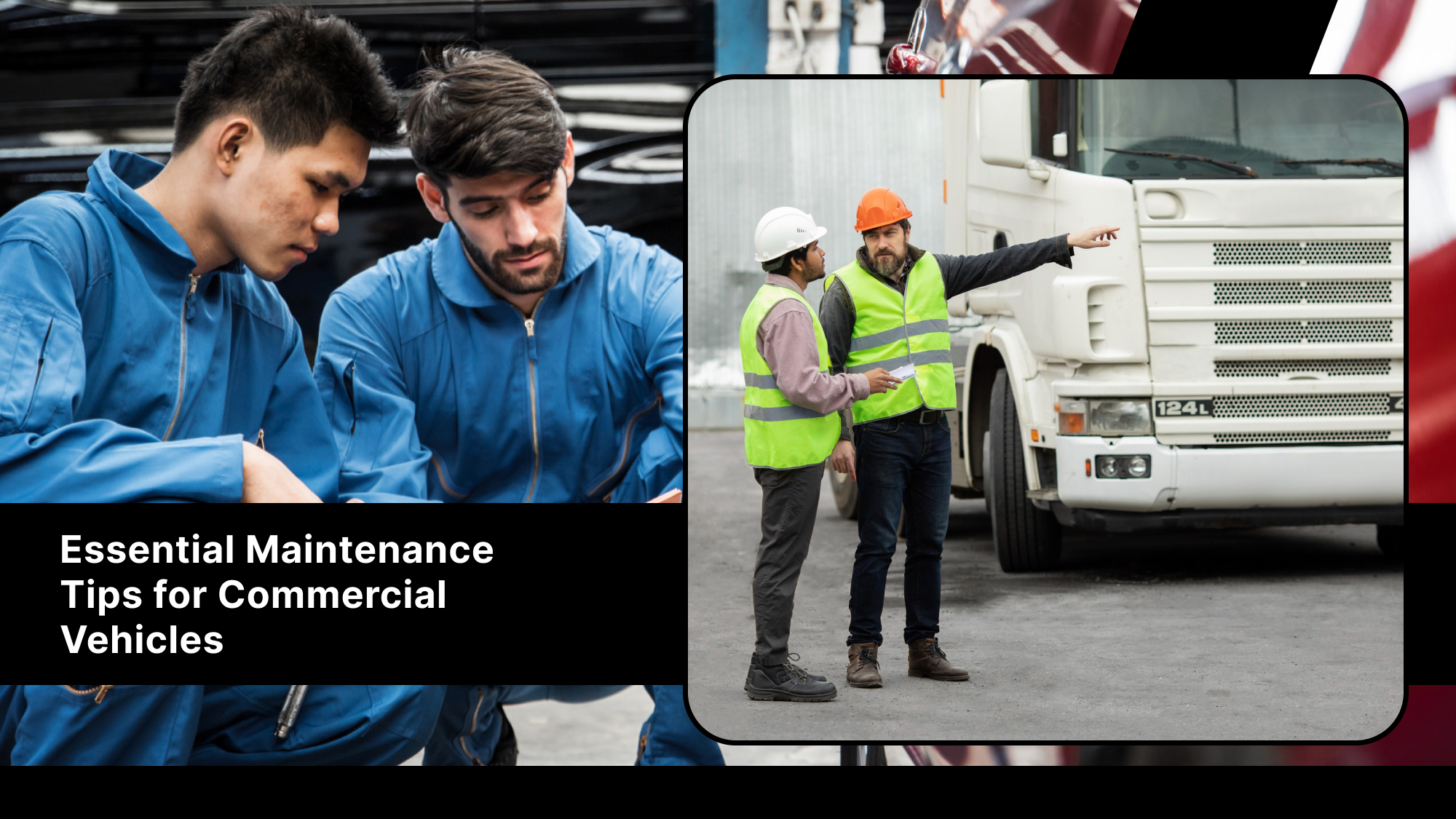
Commercial vehicles work harder and travel longer distances than regular passenger vehicles. Whether you operate Travellers, Urbania, Cruisers, Monobus, school buses, or ambulances, proper maintenance is essential to ensure safety, reliability, and long-term performance. For businesses, a well-maintained vehicle also reduces downtime, lowers repair costs, and improves operational efficiency.
Force Motors vehicles are built for durability, but consistent care helps them deliver their best. Here are the most important maintenance tips every vehicle owner and fleet operator should follow.
1. Follow a Regular Servicing Schedule
Routine servicing keeps your vehicle in optimum working condition. Follow the service intervals recommended by Force Motors for engine oil changes, coolant checks, air filter cleaning, and lubrication. Skipping servicing can lead to higher fuel consumption, reduced power, and expensive repairs.
If your vehicle is used for long-distance travel or carries heavy loads regularly, consider slightly shorter service intervals to maintain performance.
2. Check Engine Oil and Fluids Frequently
Commercial vehicles operate for long hours, so monitoring fluid levels is crucial. Keep a close check on:
Engine oil
Coolant
Brake fluid
Clutch fluid
Power steering fluid
Low or degraded fluids can cause overheating, engine wear, or brake failure. Always use Force-recommended oils and fluids for the best results.
3. Inspect Tyres for Safety and Efficiency
Tyres directly impact safety, mileage, and handling. Inspect them weekly for:
Uneven wear
Low tread depth
Proper inflation
Sidewall damage
Underinflated tyres reduce fuel efficiency and increase the risk of blowouts, especially in loaded commercial vehicles. Rotate tyres regularly and replace them when the tread is worn out.
4. Maintain the Battery for Reliable Operations
A strong battery is essential for heavy-duty vehicles like Travellers, Urbania, and Monobus. Ensure:
Battery terminals are clean
Cables are tight
Water level (if applicable) is adequate
The charging system is working properly
Replace weak batteries immediately to avoid breakdowns during long trips.
5. Inspect Braking System Regularly
Brakes are the most important safety component. For vehicles carrying passengers or cargo, timely brake inspection is non-negotiable. Look for:
Worn brake pads
Leakage in brake lines
Low brake fluid
Reduced braking response
Commercial vehicles often deal with heavy loads, so effective braking ensures safety and compliance with road regulations.
6. Keep the Air Filter Clean
A clogged air filter reduces engine power and increases fuel consumption. Dusty environments, long hours of driving, and heavy usage require more frequent cleaning or replacement. A clean filter ensures smooth acceleration and better engine life.
7. Monitor Suspension and Steering Components
Bumpy roads and heavy loads put extra pressure on the suspension system. Regularly check:
Shock absorbers
Bushings
Steering linkages
Wheel alignment
Faulty suspension not only affects comfort but can also lead to uneven tyre wear and poor handling.
8. Electrical System and Lighting Checks
Commercial vehicles, especially school buses and ambulances, must have fully functional lights for safety. Inspect:
Headlights and taillights
Indicators
Emergency lights
Wiring and fuses
Fix any electrical issues promptly to prevent malfunctions during operations.
9. Clean the Vehicle to Prevent Wear and Tear
Regular cleaning prevents corrosion, especially in regions with heavy rainfall or near coastal areas. Keeping the interior clean also enhances passenger comfort and reflects professionalism.
10. Use Genuine Spare Parts
For maximum safety and performance, always use genuine Force Motors spare parts. They ensure proper fit, durability, and compatibility with your vehicle. Cheap alternatives may lead to bigger problems over time.
Frequently Asked Questions (FAQs)
1. How often should I service my Force commercial vehicle?
Service intervals depend on usage, but generally every 10,000 km or as recommended in the Force Motors service booklet.
2. What are the signs that the brakes need attention?
Reduced braking response, strange noises, vibration, or the vehicle pulling to one side are key warning signs.
3. How can I improve the mileage of my Force vehicle?
Maintaining proper tyre pressure, using clean filters, and timely servicing help improve fuel efficiency.
4. Why is tyre rotation important for commercial vehicles?
It ensures even wear, extends tyre life, and improves handling and safety.
5. Should I use genuine spare parts for Force vehicles?
Yes, genuine Force Motors parts ensure proper performance, safety, and longer vehicle life.
Conclusion
Proper maintenance is the key to keeping your Force commercial vehicles running smoothly, safely, and efficiently. By following regular servicing, monitoring essential components, and using genuine parts, businesses can significantly reduce downtime and extend vehicle life. Whether your fleet includes Travellers, Urbania, Cruisers, Monobus, or school buses, consistent care ensures reliability on every journey and protects your long-term investment.